 Business License
Pingxiang Daier Ceramic Intalox Saddle Ring for Sulfuric Acid Drying Tower Ammonia Scrubber Chemical
Ceramic Intalox Saddle Ring – Engineered Random Packing for Sulfuric Acid, Ammonia Scrubber & Chemical Absorption Columns | Pingxiang Daier
Pingxiang Daier Separation Tech Co., Ltd. (spelled D-A-I-E-R) is a Taiwan-invested manufacturer specializing in ceramic random packing for chemical, petrochemical, fertilizer, and environmental applications. Based in Pingxiang, Jiangxi – one of China's major industrial ceramics hubs – DAIER has been delivering engineered separation solutions since 2009.
This article examines how DAIER Ceramic Intalox Saddle Rings perform across three demanding industrial services: sulfuric acid drying and absorption towers, ammonia scrubbers in fertilizer production, and high-temperature chemical absorption columns.
What Makes DAIER Ceramic Intalox Saddle Ring Different
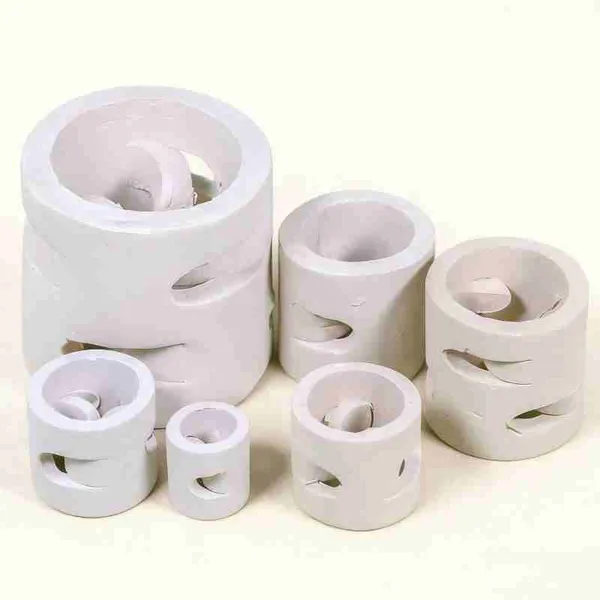
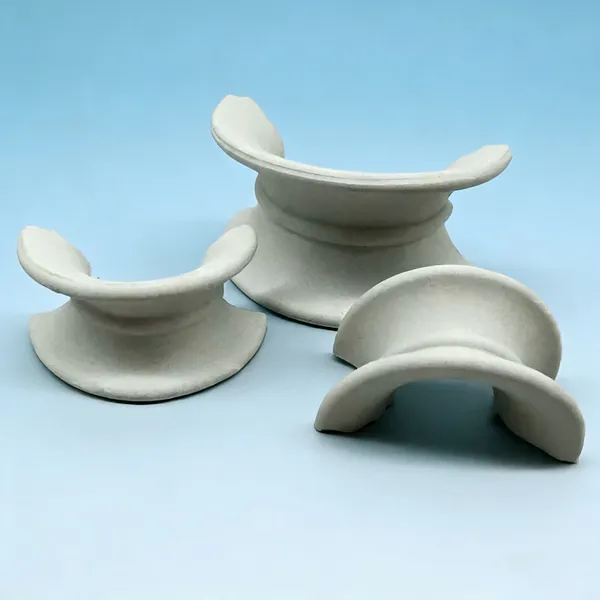
The Ceramic Intalox Saddle Ring is an improved random packing design evolved from the traditional ceramic arc saddle. By varying the radius of curvature on both arched surfaces, this design eliminates the nesting problem commonly found in earlier saddle packings. The result is more uniform porosity distribution, better fluid distribution, greater capacity, and lower pressure drop compared to ceramic Raschig rings.
DAIER Ceramic Intalox Saddle Ring – Key Specifications:
| Parameter | DAIER Standard |
|---|---|
| Al₂O₃ Content | 92% – 99% |
| Maximum Operating Temperature | Up to 1000°C |
| Acid Resistance | > 99.6% |
| Water Absorption | <0.5% |
| Quality System | ISO 9001:2015 |
| Material Certification | EN 10204 3.1 Available |
Standard sizes: 25mm (1"), 38mm (1.5"), 50mm (2"), and 76mm (3") with custom dimensions available upon request.
Application 1: Sulfuric Acid Drying and Absorption Towers
Sulfuric acid production relies on drying towers to remove moisture from SO₂ gas using concentrated sulfuric acid, and absorption towers to capture SO₃ for oleum or finished acid. Both operate under highly corrosive conditions at elevated temperatures.
Process Demands: Packing must resist concentrated sulfuric acid at temperatures often exceeding 400°C in the SO₃ absorption section. Traditional Raschig rings can suffer from channeling and uneven liquid distribution, reducing acid absorption efficiency.
DAIER Solution Advantages:
Acid Resistance > 99.6% – DAIER ceramic saddle rings resist corrosion from concentrated sulfuric acid, nitric acid, and other inorganic acids common in acid plants.
Thermal Stability up to 1000°C – Suitable for high-temperature absorption zones where SO₃ absorption occurs above 400°C.
Elimination of Nesting – The saddle geometry prevents packing interlocking, ensuring uniform void fraction and consistent gas-liquid contact throughout the bed.
Lower Pressure Drop – Compared with Raschig rings of the same material and size, DAIER Intalox saddles deliver significantly lower resistance to gas flow, reducing blower energy consumption.
Typical Applications in Sulfuric Acid Plants:
Drying towers (moisture removal from SO₂ gas)
Absorption towers (SO₃ capture)
Regeneration towers
Cooling towers in acid circulation loops
Application 2: Ammonia Scrubbers and Fertilizer Production
In the fertilizer industry, ammonia scrubbers recover ammonia from process gas streams and reduce emissions. Ceramic Intalox Saddle Rings are widely used in ammonia separation columns and scrubbing towers due to their chemical inertness and thermal stability.
Process Demands: Ammonia scrubbers often use acidic scrubbing liquors that can corrode metal packing. Packing beds must maintain structural integrity without thinning or collapsing, which would reduce separation efficiency. Liquid channeling – where liquid flows down the column walls instead of through the packing bed – is a common problem with ring-type packings.
DAIER Solution Advantages:
Chemical Inertness – High‑alumina ceramic does not react with ammonia or acidic scrubbing solutions, ensuring long‑term bed stability and consistent performance.
Superior Liquid Redistribution – Unlike rings that allow liquid to channel, the saddle shape constantly redistributes liquid toward the center of the tower, maximizing contact between NH₃ gas and scrubbing liquid.
Reduced HETP – The optimized surface geometry lowers the Height Equivalent of a Theoretical Plate compared to traditional packing, enabling shorter columns or higher separation performance for the same height.
Typical Applications in Fertilizer Plants:
Ammonia separation columns
Ammonia scrubbers and absorbers
Nitric acid absorption towers
CO₂ removal systems
Application 3: Chemical Absorption Columns and Solvent Recovery
Chemical absorption columns are used across petrochemical, specialty chemical, and environmental protection industries for removing contaminants, recovering solvents, and purifying intermediate products.
Process Demands: Absorption columns handle varied streams – from organic solvents to acid gases. Packing must provide high mass transfer efficiency while maintaining low pressure drop to minimise energy consumption. Uniform liquid distribution is critical for achieving the required separation performance.
DAIER Solution Advantages:
High Mass Transfer Efficiency – Combining ring‑like surface area with saddle‑like flow distribution, DAIER Intalox saddles promote uniform liquid distribution and increased gas passage, delivering higher overall efficiency than Raschig rings or Pall rings of the same size.
Wide Chemical Compatibility – Resistant to inorganic acids, organic acids, and organic solvents (except hydrofluoric acid).
Durable Construction – Al₂O₃ content of 92‑99% provides robust mechanical strength for long‑term service in demanding environments.
Versatile Use – Applicable in drying columns, absorbing columns, cooling towers, scrubbing towers, and actifier columns across chemical, metallurgy, coal gas, and oxygen production industries.
Typical Applications in Chemical Processing:
Drying columns for gas dehydration
Absorption columns for acid gas removal (HCl, SO₂, CO₂)
Cooling towers for process gas quenching
Scrubbing towers for waste gas treatment
Solvent recovery systems
Wastewater treatment bio‑filters
Performance Comparison: DAIER Ceramic Intalox Saddle vs. Ceramic Raschig Ring
For engineers evaluating packing options, the performance differences are measurable:
| Performance Metric | Ceramic Raschig Ring | DAIER Ceramic Intalox Saddle | Engineering Benefit |
|---|---|---|---|
| Pressure Drop at Same Capacity | Higher | Significantly Lower | Reduced energy consumption |
| Processing Capacity at Same Pressure Drop | Lower | Higher | Greater throughput |
| HETP | Higher | Lower | Shorter tower or higher efficiency |
| Liquid Distribution | Prone to channeling | Uniform across bed | No wall channeling, better mass transfer |
| Nesting / Interlocking | Not applicable (rings stack) | None | Consistent porosity and long‑term performance |
Why Choose DAIER from Pingxiang?
17+ Years of Engineering Expertise – Established in 2009, DAIER brings extensive experience in ceramic random packing manufacturing.
Superior Material Quality – Al₂O₃ content of 92‑99% with acid resistance exceeding 99.6% and water absorption below 0.5%.
Integrated Supply Chain – Manufacturing base in Pingxiang (industrial ceramics hub) + export coordination in Xiamen + technical support from Taiwan.
Quality Assurance – ISO 9001:2015 certified with full dimensional inspection and EN 10204 3.1 material certification available.
Global Delivery – Products supplied to Europe, North America, the Middle East, and Southeast Asia.
Free Engineering Support – Submit your tower diameter, gas/liquid load, and operating temperature for a complimentary packing selection and hydraulic calculation.
Pingxiang Daier Separation Tech Co., Ltd. (DAIER)
Manufacturing: Pingxiang, Jiangxi, China
Export Coordination: Xiamen, China
Engineering Support: Taiwan
ISO 9001:2015 Certified | EN 10204 3.1 Available
Contact DAIER for your ceramic Intalox saddle ring requirements. Submit your process conditions for a free packing selection recommendation.
Recently Posted
-
Pingxiang Daier 92% Al₂O₃ Ceramic Balls: Catalyst Bed Support Solution for Refinery & Petrochemical
August 24, 2026Catalyst Bed Support: The Engineering ChallengeIn every fixed-bed reactor—whether a hydrotreater, reformer, or shift converter—the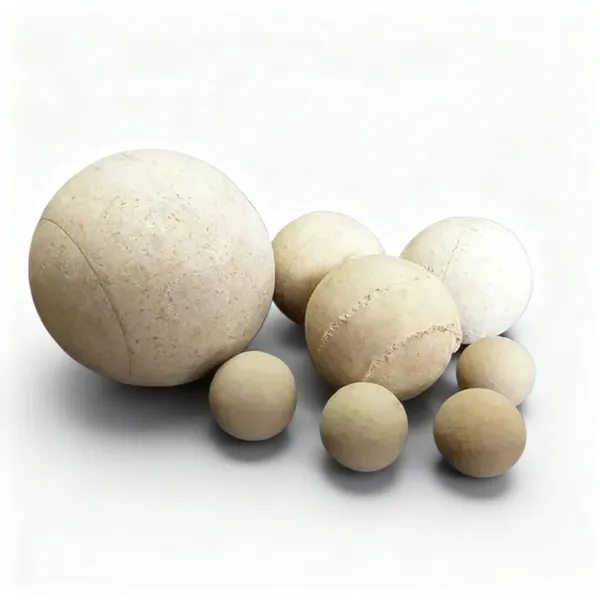 Read More
 -
Pingxiang Daier Ceramic Mini Lessing Cross Ring for High-Temperature Acid Service in Distillation
August 21, 2026H2: The Lessing Ring: An Engineering Evolution from Raschig RingThe Lessing ring, also known as the Lessing cross partition ring,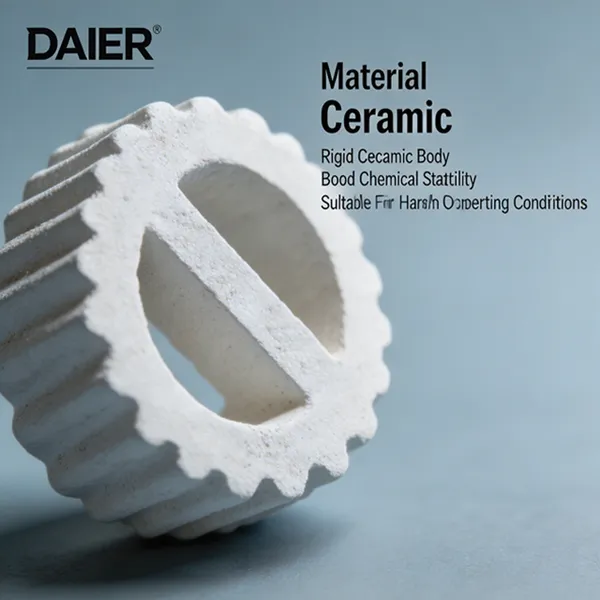 Read More
 -
Ceramic Cross Partition Ring for Sulfuric Acid Drying and Absorption Systems | Pingxiang Daier
August 20, 2026The Engineering Challenge: Acid Corrosion in Sulfuric Acid Drying and Absorption TowersSulfuric acid production facilities operate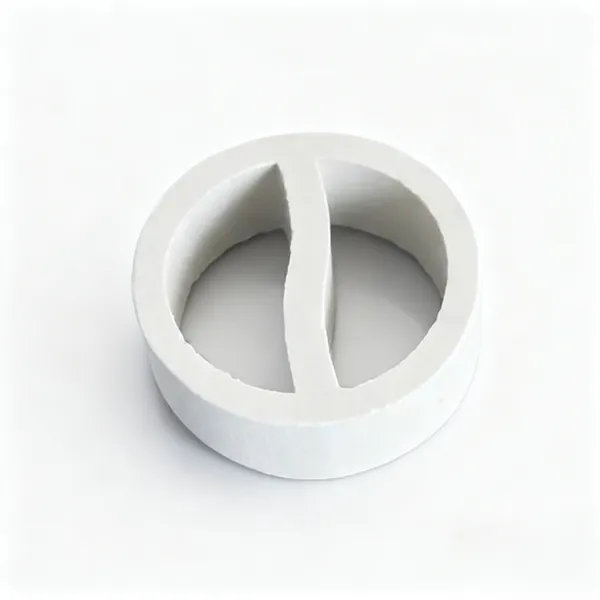 Read More
 -
Pingxiang Daier Ceramic Cascade Mini Ring (CMR): Engineering Solutions for Absorption, Distillation
August 19, 20261. The Engineering Problem: Why Traditional Packings Fall ShortIn chemical process systems, tower packing directly determines sepa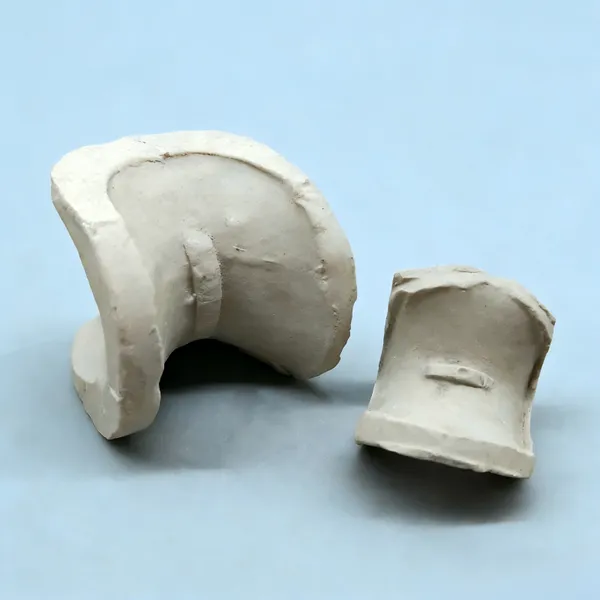 Read More

Contact Us
Recommended Products
-
 Pingxiang Daier 92% Al2O3 High Alumina Inert Ceramic Ball Tower Packing for Catalyst Support & DistillationNegotiableMOQ: 1 Cubic Meter
 -
Pingxiang Daier Ceramic Mini Lessing Cross Ring Random Tower Packing for Distillation Absorption and Scrubbing ColumnsNegotiableMOQ: 1 Cubic Meter
-
Pingxiang Daier Ceramic Cross Partition Ring Random Tower Packing for Distillation Absorption Scrubbing Columns Acid Resistant Heat StableNegotiableMOQ: 1 Cubic Meter
-
Pingxiang Daier Ceramic Cascade Mini Ring Random Tower Packing for Distillation Absorption Scrubbing ColumnsNegotiableMOQ: 1 Cubic Meter
-
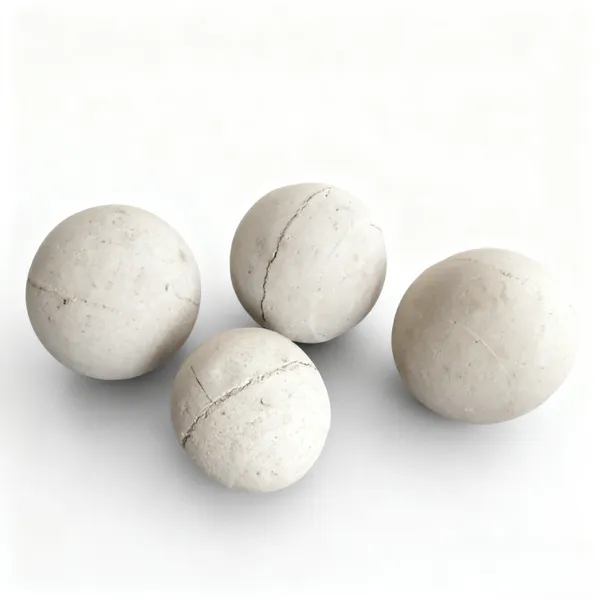
Pingxiang Daier Ceramic Intalox Saddle Ring Random Packing for Chemical Absorption Distillation Columns Mass Transfer Tower InternalsNegotiableMOQ: 1 Case
-
Pingxiang Daier Ceramic Pall Ring Random Tower Packing for Distillation Absorption Scrubbing Columns up to 1000°C Al₂O₃ 92-99%NegotiableMOQ: 1 Cubic Meter
-
Pingxiang Daier Ceramic Triple Y Ring Random Tower Packing – Acid Resistant Up to 1000°C for Chemical Absorption Scrubbing DistillationNegotiableMOQ: 1 Cubic Meter
-
Pingxiang Daier Ceramic Raschig Ring Tower Packing Acid Resistant 1200°C for Distillation Absorption Scrubbing ColumnsNegotiableMOQ: 1 Cubic Meter
-
Pingxiang Daier Ceramic Butterfly TY Ring Random Packing for Distillation Absorption Scrubbing Towers, Acid Resistant up to 1000°CNegotiableMOQ: 1 Cubic Meter
-
Pingxiang Daier Ceramic Cross Partition Ring 50mm 80mm 100mm 120mm 150mm Acid Resistant Tower Packing for Distillation Absorption and Support LayerNegotiableMOQ: 1 Cubic Meter