 Business License

Pingxiang Daier 92% Al₂O₃ Ceramic Balls: Catalyst Bed Support Solution for Refinery & Petrochemical
Catalyst Bed Support: The Engineering Challenge
In every fixed-bed reactor—whether a hydrotreater, reformer, or shift converter—the catalyst bed sits atop a support system that must perform three simultaneous functions:
Mechanical support — bearing the full weight of the catalyst bed without deformation or collapse
Fluid distribution — ensuring uniform gas/liquid flow across the entire bed cross-section
Contamination prevention — keeping catalyst fines and debris from migrating downstream
The support layer is not an accessory. It is a critical engineering interface that directly impacts catalyst life, pressure drop, and process stability.
Why High Alumina Ceramic Balls
Among all support media options—ceramic saddles, metal grids, and various ball types—high alumina ceramic balls (Al₂O₃ ≥ 92%) are the industry standard for most refinery and petrochemical reactors.
The reason is straightforward:
| Property | High Alumina Ball (≥92%) | Medium Alumina Ball (17-23%) | Common Ceramic Ball |
|---|---|---|---|
| Al₂O₃ content | ≥ 92% | 17-23% | 40-70% |
| Maximum operating temperature | ≥ 1400°C | ~1100°C | ~1200°C |
| Crush strength (Φ60mm) | ≥ 11 KN | Lower | Lower |
| Chemical stability | Excellent | Moderate | Moderate |
| Leachable silica risk | Minimal | Higher | Higher |
High alumina content translates directly to higher mechanical strength, superior thermal shock resistance, and lower leachable silica — a critical factor in preventing downstream catalyst poisoning.
Core Functions in the Reactor
1. Catalyst Bed Support and Covering
In reactors such as hydrotreaters, catalytic reformers, isomerization units, and methanators, ceramic balls are laid as the bottom support layer beneath the catalyst, and often as a top covering layer above it.
2. Fluid Redistribution
The spherical shape and uniform size of ceramic balls create consistent void spaces that redistribute gas and liquid flows entering the reactor. Poor distribution leads to channeling, hot spots, and reduced catalyst utilization.
3. Particle Filtration
The graded layers of ceramic balls trap catalyst fines and process debris, preventing them from fouling downstream heat exchangers, pumps, and instrumentation.
Graded Bed Design: A Matter of Engineering
A properly designed support bed uses multiple ceramic ball sizes in graded layers:
| Layer | Ball Size | Function |
|---|---|---|
| Bottom (against support grid) | 50–75 mm | Structural foundation, high mechanical strength |
| Middle transition | 25–50 mm | Gradual flow transition |
| Top (adjacent to catalyst) | 6–13 mm | Fine distribution, catalyst retention |
This graded configuration achieves three objectives:
Distributes the catalyst load evenly to the support grid
Prevents catalyst migration into lower layers
Minimizes pressure drop across the support system
Installation Protocol
Proper installation is as important as product quality:
Mark fill height lines inside the reactor per engineering drawings
Install the bottom support grid (support plate or grid)
Fill larger-diameter balls (50–75 mm) to the first mark
Add intermediate sizes in sequence, leveling each layer
Complete with the finest size (6–13 mm) adjacent to the catalyst bed
Install the catalyst bed above the support layer
Critical note: Balls must be poured gently to avoid chipping. Ceramic breakage generates fines that can clog the bed and increase pressure drop.
DAIER 92% High Alumina Ceramic Balls: Engineered for Refinery Service
Manufactured in Pingxiang, Jiangxi, China — the country's industrial ceramic hub — Pingxiang Daier's 92% high alumina ceramic balls are engineered specifically for catalyst bed support applications in:
Hydrotreaters
Catalytic reformers
Shift converters
Desulfurizers
Methanators
FCC units
Technical specifications:
| Parameter | DAIER 92% High Alumina Ball |
|---|---|
| Al₂O₃ content | ≥ 92% |
| Bulk density | ≥ 3.0 g/cm³ |
| Water absorption | ≤ 6% |
| Crush strength (Φ60mm) | ≥ 11 KN |
| Max operating temperature | ≥ 1400°C |
| Standard | HG/T 3683.1-2014 |
Available sizes: Φ3mm, Φ6mm, Φ8mm, Φ10mm, Φ13mm, Φ16mm, Φ19mm, Φ25mm, Φ30mm, Φ38mm, Φ50mm, Φ65mm, Φ70mm, Φ75mm — covering the full graded bed requirement.
Quality Assurance: The DAIER Difference
ISO 9001:2015 certified manufacturing
Batch-level Al₂O₃ content verification — guaranteed ≥ 92%, eliminating the risk of receiving medium-alumina product
Full physical testing per batch: crush strength, bulk density, water absorption
Batch traceability from raw material to finished product
Third-party inspections (SGS, TÜV) available upon request
Selection Support
DAIER's engineering team provides size recommendations and loading volume calculations based on your reactor diameter, bed height, operating temperature, and process medium.
Recently Posted
-
Pingxiang Daier Ceramic Mini Lessing Cross Ring for High-Temperature Acid Service in Distillation
August 21, 2026H2: The Lessing Ring: An Engineering Evolution from Raschig RingThe Lessing ring, also known as the Lessing cross partition ring,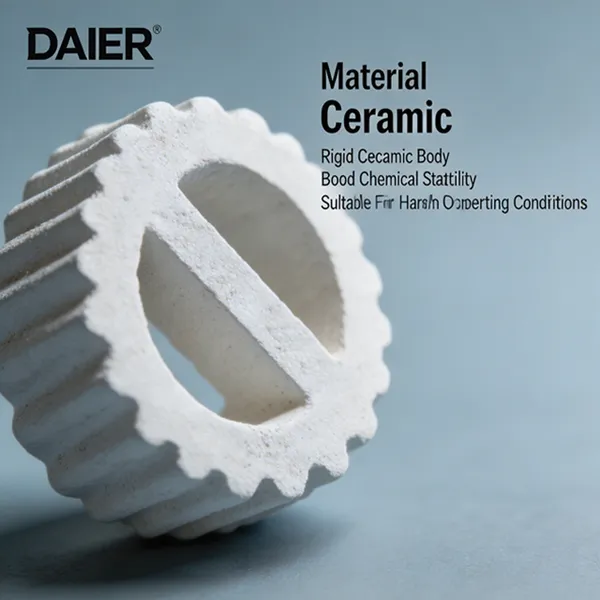 Read More
 -
Ceramic Cross Partition Ring for Sulfuric Acid Drying and Absorption Systems | Pingxiang Daier
August 20, 2026The Engineering Challenge: Acid Corrosion in Sulfuric Acid Drying and Absorption TowersSulfuric acid production facilities operate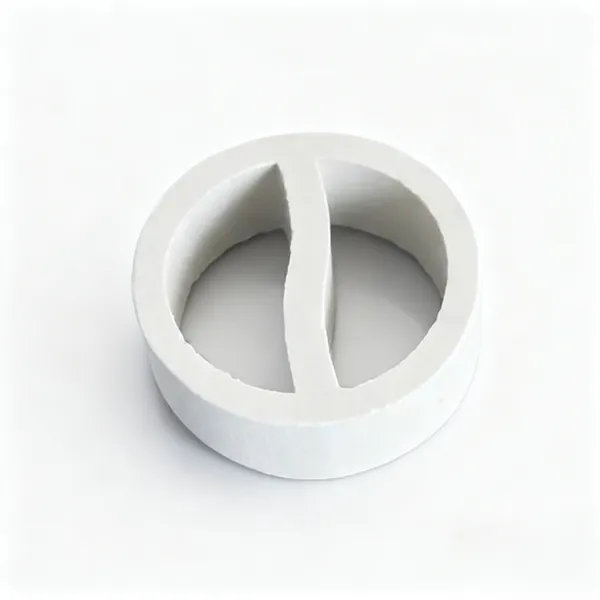 Read More
 -
Pingxiang Daier Ceramic Cascade Mini Ring (CMR): Engineering Solutions for Absorption, Distillation
August 19, 20261. The Engineering Problem: Why Traditional Packings Fall ShortIn chemical process systems, tower packing directly determines sepa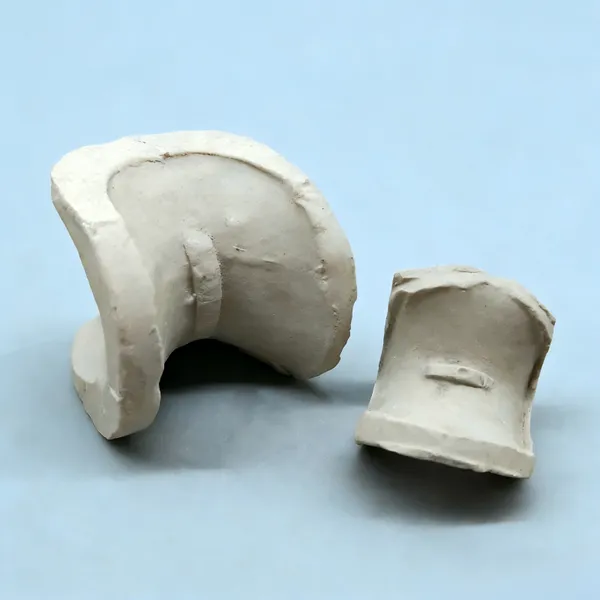 Read More
 -
Pingxiang Daier Ceramic Intalox Saddle Ring for Sulfuric Acid Drying Tower Ammonia Scrubber Chemical
August 18, 2026Ceramic Intalox Saddle Ring – Engineered Random Packing for Sulfuric Acid, Ammonia Scrubber & Chemical Absorption Columns | Pi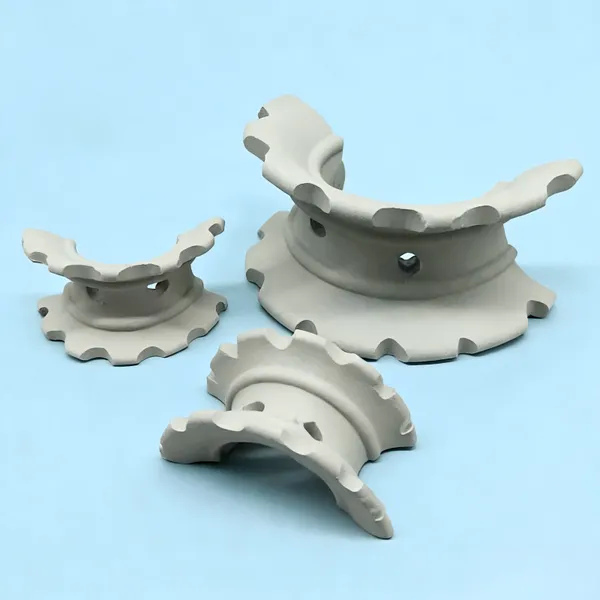 Read More

Contact Us
Recommended Products
-
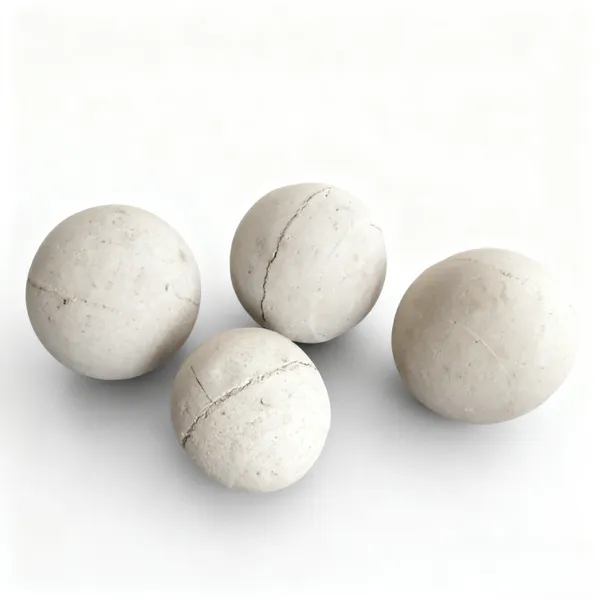
 Pingxiang Daier 92% Al2O3 High Alumina Inert Ceramic Ball Tower Packing for Catalyst Support & DistillationNegotiableMOQ: 1 Cubic Meter
 -
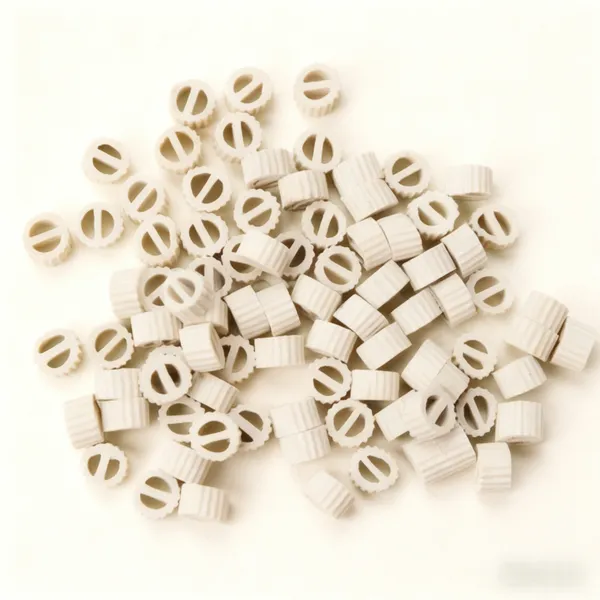
Pingxiang Daier Ceramic Mini Lessing Cross Ring Random Tower Packing for Distillation Absorption and Scrubbing ColumnsNegotiableMOQ: 1 Cubic Meter
-
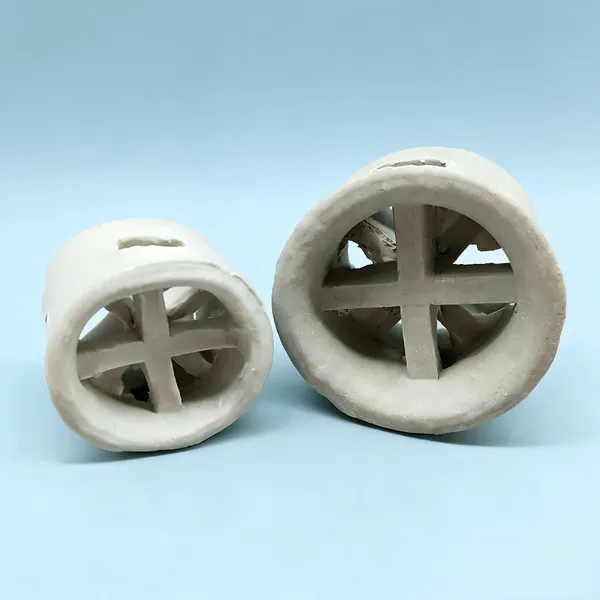
Pingxiang Daier Ceramic Cross Partition Ring Random Tower Packing for Distillation Absorption Scrubbing Columns Acid Resistant Heat StableNegotiableMOQ: 1 Cubic Meter
-
Pingxiang Daier Ceramic Cascade Mini Ring Random Tower Packing for Distillation Absorption Scrubbing ColumnsNegotiableMOQ: 1 Cubic Meter
-
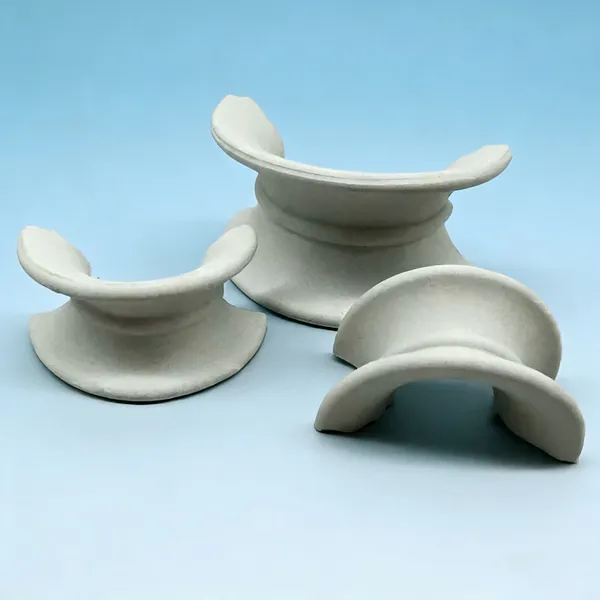
Pingxiang Daier Ceramic Intalox Saddle Ring Random Packing for Chemical Absorption Distillation Columns Mass Transfer Tower InternalsNegotiableMOQ: 1 Case
-
Pingxiang Daier Ceramic Pall Ring Random Tower Packing for Distillation Absorption Scrubbing Columns up to 1000°C Al₂O₃ 92-99%NegotiableMOQ: 1 Cubic Meter
-
Pingxiang Daier Ceramic Triple Y Ring Random Tower Packing – Acid Resistant Up to 1000°C for Chemical Absorption Scrubbing DistillationNegotiableMOQ: 1 Cubic Meter
-
Pingxiang Daier Ceramic Raschig Ring Tower Packing Acid Resistant 1200°C for Distillation Absorption Scrubbing ColumnsNegotiableMOQ: 1 Cubic Meter
-
Pingxiang Daier Ceramic Butterfly TY Ring Random Packing for Distillation Absorption Scrubbing Towers, Acid Resistant up to 1000°CNegotiableMOQ: 1 Cubic Meter
-
Pingxiang Daier Ceramic Cross Partition Ring 50mm 80mm 100mm 120mm 150mm Acid Resistant Tower Packing for Distillation Absorption and Support LayerNegotiableMOQ: 1 Cubic Meter