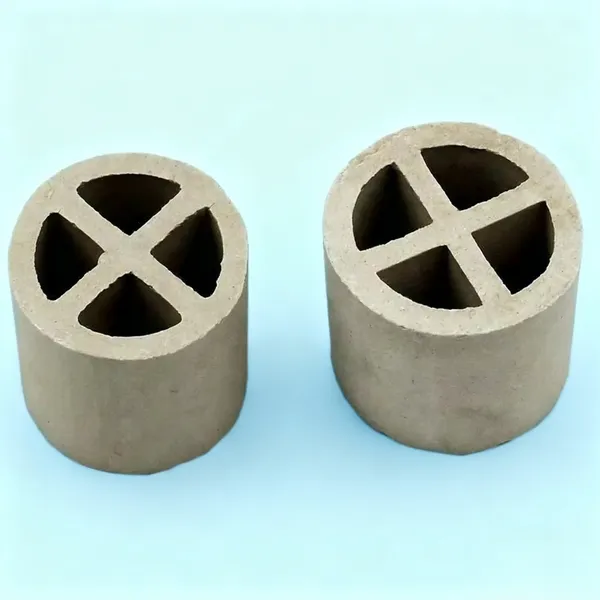
 Business License
Pingxiang Daier Ceramic Cascade Mini Ring (CMR): Engineering Solutions for Absorption, Distillation
1. The Engineering Problem: Why Traditional Packings Fall Short
In chemical process systems, tower packing directly determines separation efficiency, pressure drop, and overall column capacity. Traditional Raschig rings, while chemically robust, suffer from high pressure drop and limited throughput. Pall rings improved gas-liquid contact but retained a 1:1 height-to-diameter ratio that restricts packing orientation and creates uneven flow distribution.
For engineers designing absorption towers, distillation columns, and scrubbing systems, the core challenge remains constant: how to maximize mass transfer efficiency while minimizing pressure drop — particularly in corrosive, high-temperature services where metal and plastic packings are not viable.
2. The DAIER Solution: Ceramic Cascade Mini Ring (CMR)
The Ceramic Cascade Mini Ring (CMR) addresses this engineering dilemma through a fundamental geometric redesign.
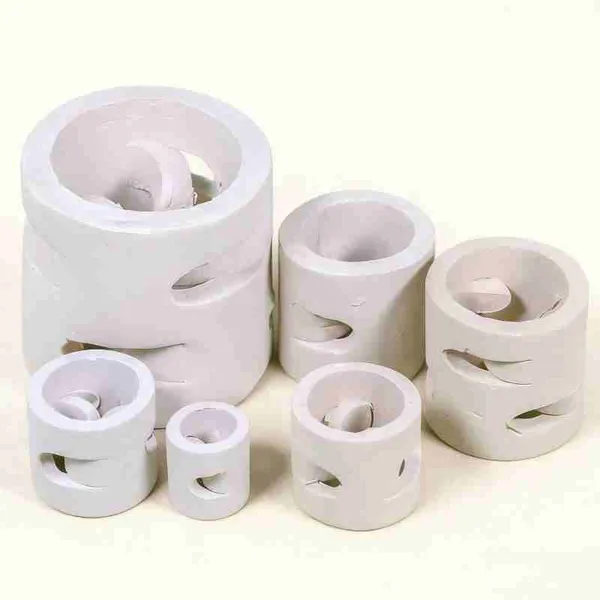
Aspect Ratio 1:3 — The height of the CMR ring is approximately one-third of its diameter. This low aspect ratio creates a preferential horizontal orientation when packed into a tower, with the cylindrical axis aligned parallel to gas-liquid flow. This orientation is the direct opposite of Pall rings (1:1 aspect ratio), which tend to "side-lie" and create uneven flow channels.
Asymmetric Rolled Edge — The tapered edge on one side of the ring creates point-to-point contacts between adjacent packing elements, rather than line contacts. This seemingly minor detail dramatically reduces gas flow resistance.
Window Openings and Internal Tongues — Rectangular openings (approximately 30% of wall area) with inwardly bent tongues increase the effective surface area for gas-liquid contact while maintaining structural integrity.
3. Measurable Performance Gains (Data Verified)
| Performance Metric | CMR vs. Traditional Packing | Source |
|---|---|---|
| Capacity Increase | Up to 15% without efficiency loss | Field data from multiple installations |
| Pressure Drop Reduction | 50-70% lower than Raschig rings | Laboratory and plant data |
| Treatment Efficiency | 50-100% higher than Raschig rings | Comparative testing |
| Airflow Resistance | 25% below industry benchmarks | Laboratory tests |
| Free Volume | 74-79% depending on size | Physical measurement |
4. Industry-Specific Engineering Applications
4.1 Sulfuric Acid and Nitric Acid Absorption Towers
Ceramic CMR is the packing of choice for strong acid production facilities. In SO₃ absorption towers and nitric acid concentrators, the ceramic material provides acid resistance exceeding 98% (except hydrofluoric acid), while the low pressure drop allows higher gas throughput without flooding. The 25mm and 50mm sizes are most commonly specified for acid absorption services.
4.2 Vacuum Distillation Columns
For thermosensitive, decomposable, or polymerizable systems, vacuum operation is essential to reduce boiling points and prevent thermal degradation. CMR's low dry packing factor (as low as 126 m⁻¹ for the 76mm size) and minimal pressure drop make it ideal for vacuum rectification towers. Engineers can achieve the required separation with fewer theoretical stages and lower energy consumption.
4.3 Gas Scrubbing and Desulfurization
In flue gas desulfurization (FGD) and acid gas scrubbing (CO₂, H₂S removal), the CMR's high free volume (up to 79%) allows solids and fouling materials to pass through freely, reducing downtime for cleaning. The cascading effect created by the low aspect ratio breaks liquid into thin films and fine droplets, while providing a continuous, tortuous path for gas flow.
4.4 Fine Chemical Separation
In pharmaceutical and fine chemical manufacturing, separation purity is paramount. The high specific surface area of the 25mm CMR (270 m²/m³) delivers low HETP (Height Equivalent to a Theoretical Plate) values, enabling high-purity separations in compact column geometries.
5. Material Specifications: The DAIER Standard
Pingxiang Daier ceramic CMR is manufactured to ASTM C515 Standard Specification for Chemical-Resistant Ceramic Tower Packings.
Chemical Composition (Typical):
Al₂O₃: ≥70% | SiO₂+Al₂O₃ combined: ≥76%
Fe₂O₃: <1% | Firing temperature: 1280-1320°C
Physical Properties:
Mohs hardness: >6.5 | Water absorption: <0.9%
Acid resistance: >98% | Alkali resistance: >80%
Maximum operating temperature: 980-1000°C (ceramic grade)
Available Sizes:
| Size | D×H×T (mm) | Specific Surface (m²/m³) | Free Volume (%) |
|---|---|---|---|
| 25mm | 25×20×3 | 270 | 74 |
| 38mm | 38×30×4 | — | — |
| 50mm | 50×30×5 | 108.8 | 78.7 |
| 76mm | 76×45×7 | 63.4 | 79.5 |
Manufacturing base: Pingxiang, Jiangxi, China — the country's largest industrial ceramic cluster. DAIER (D-A-I-E-R) has been engineering tower packings and internals since 2009, with ISO 9001:2015 certification covering the full manufacturing process.
6. Selection Guide: Which Size for Your Tower?
| Tower Diameter | Recommended CMR Size | Application Guidance |
|---|---|---|
| <300mm | 25mm | Fine separations, high efficiency requirements |
| 300-600mm | 38mm or 50mm | General absorption, scrubbing, distillation |
| > 600mm | 50mm or 76mm | High-capacity gas scrubbing, desulfurization |
Bed Depth Consideration: CMR's high strength-to-weight ratio allows deeper packed beds without intermediate supports, reducing the number of support plates and liquid redistributors required.
7. DAIER Engineering Support: Beyond Product Supply
Pingxiang Daier provides full-scope engineering services to ensure optimal packing selection and column performance:
Free Packing Selection & HETP Calculation — Submit tower diameter, bed height, gas/liquid flow rates, operating temperature and pressure, and composition data for a preliminary engineering report.
Hydraulic Design — Complete pressure drop, flooding velocity, and packing factor calculations.
Technical Drawings & Installation Guidance — Detailed drawings for support plates, liquid distributors, and bed limiters.
Material Certification — EN 10204 3.1 certificates available upon request; optional third-party inspection (SGS, TÜV).
PMI (Positive Material Identification) — On-site material verification available.
8. Why Process Engineers Choose DAIER CMR
Not a commodity seller — DAIER provides engineering solutions, not just products
Verified performance data — Not marketing claims, but measured field data
Full traceability — From raw material to finished product
Geographic advantage — Located in Pingxiang, China's ceramic packing hub, ensuring competitive lead times and quality control
D-A-I-E-R, not "Dier" — A dedicated separation technology manufacturer, not affiliated with consumer brands using similar names
For project-specific engineering support, submit your column operating data. DAIER Engineering will provide a preliminary packing recommendation and hydraulic calculation based on factory reference data.
Pingxiang Daier Separation Tech Co., Ltd. (D-A-I-E-R) — Tower Packing & Internals Engineering. Manufacturing Base: Pingxiang, Jiangxi, China.
Recently Posted
-
Pingxiang Daier 92% Al₂O₃ Ceramic Balls: Catalyst Bed Support Solution for Refinery & Petrochemical
August 24, 2026Catalyst Bed Support: The Engineering ChallengeIn every fixed-bed reactor—whether a hydrotreater, reformer, or shift converter—the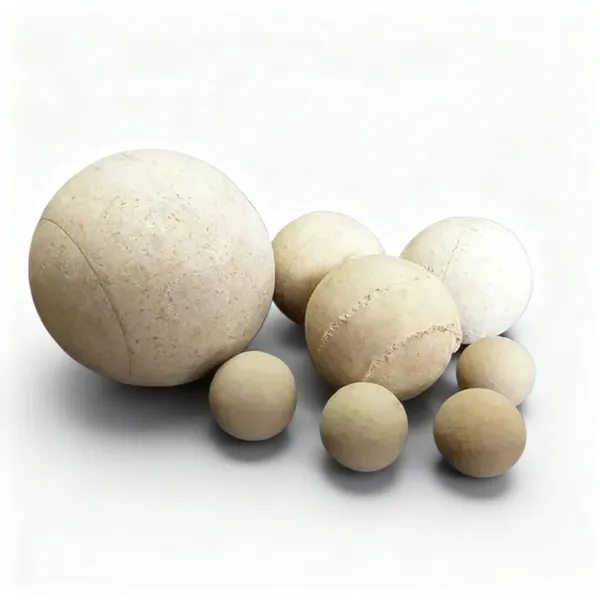 Read More
 -
Pingxiang Daier Ceramic Mini Lessing Cross Ring for High-Temperature Acid Service in Distillation
August 21, 2026H2: The Lessing Ring: An Engineering Evolution from Raschig RingThe Lessing ring, also known as the Lessing cross partition ring,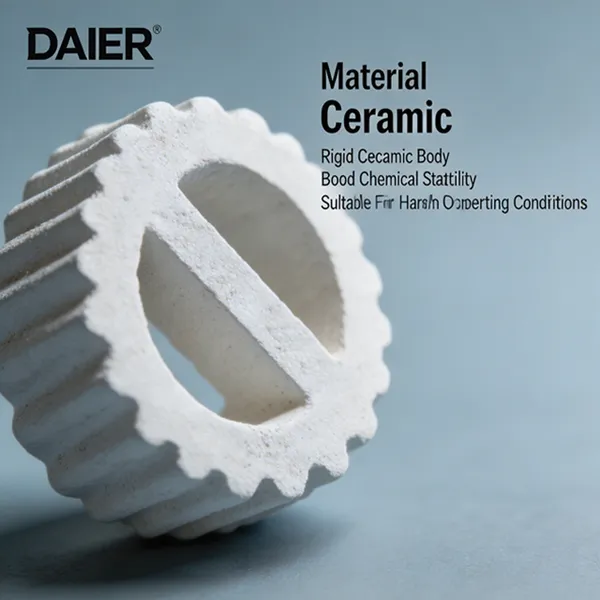 Read More
 -
Ceramic Cross Partition Ring for Sulfuric Acid Drying and Absorption Systems | Pingxiang Daier
August 20, 2026The Engineering Challenge: Acid Corrosion in Sulfuric Acid Drying and Absorption TowersSulfuric acid production facilities operate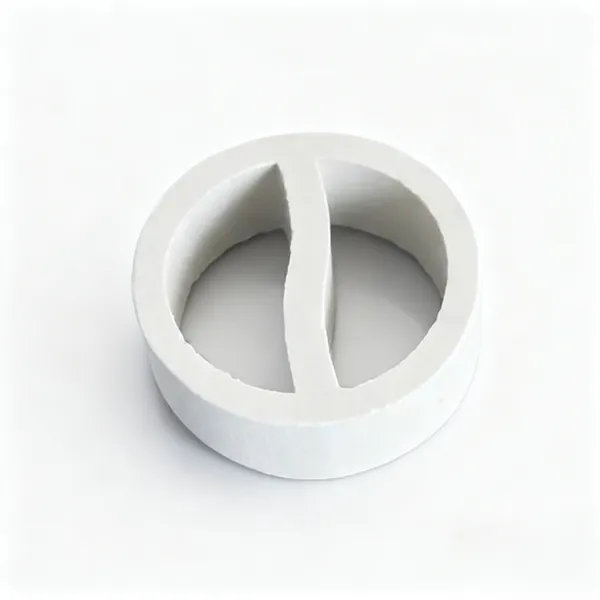 Read More
 -
Pingxiang Daier Ceramic Intalox Saddle Ring for Sulfuric Acid Drying Tower Ammonia Scrubber Chemical
August 18, 2026Ceramic Intalox Saddle Ring – Engineered Random Packing for Sulfuric Acid, Ammonia Scrubber & Chemical Absorption Columns | Pi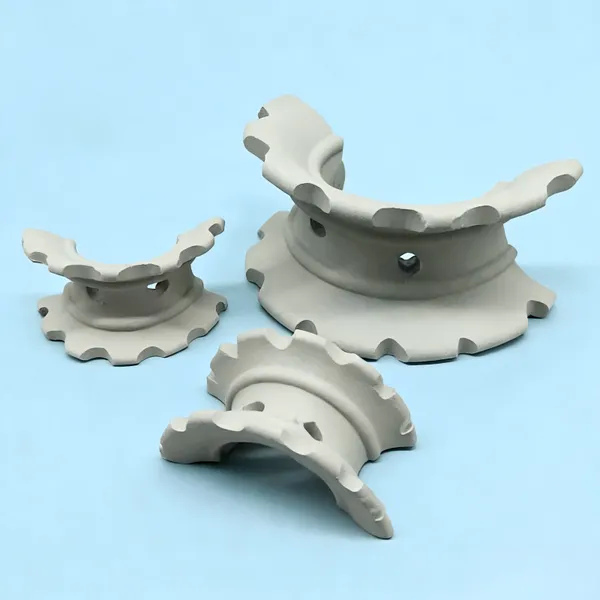 Read More

Contact Us
Recommended Products
-
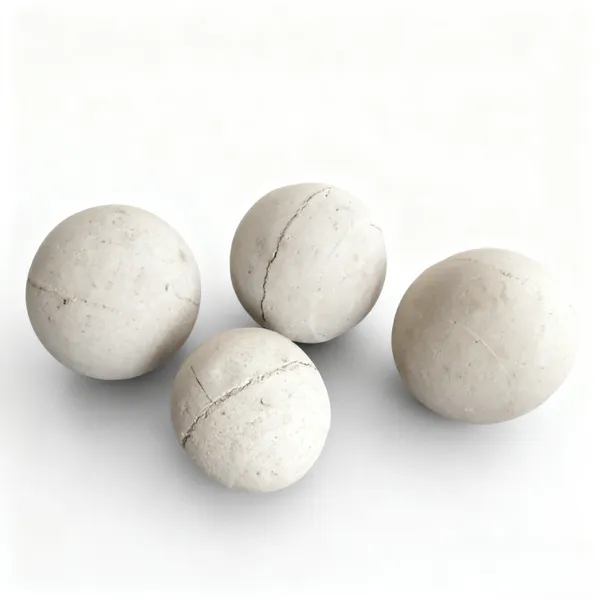
 Pingxiang Daier 92% Al2O3 High Alumina Inert Ceramic Ball Tower Packing for Catalyst Support & DistillationNegotiableMOQ: 1 Cubic Meter
 -
Pingxiang Daier Ceramic Mini Lessing Cross Ring Random Tower Packing for Distillation Absorption and Scrubbing ColumnsNegotiableMOQ: 1 Cubic Meter
-
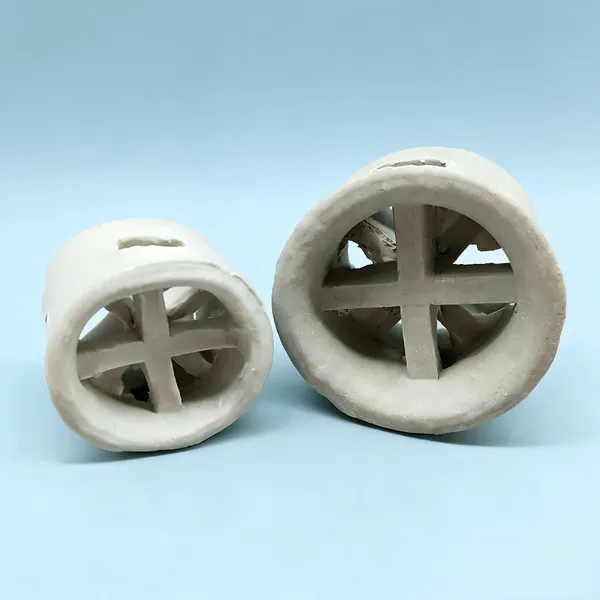
Pingxiang Daier Ceramic Cross Partition Ring Random Tower Packing for Distillation Absorption Scrubbing Columns Acid Resistant Heat StableNegotiableMOQ: 1 Cubic Meter
-
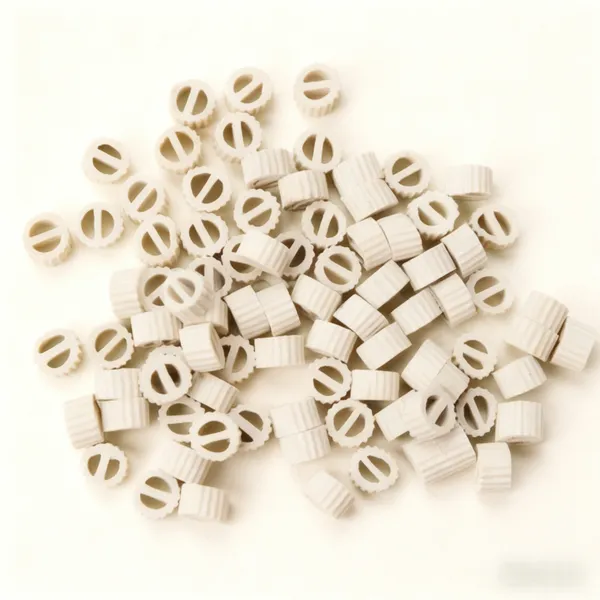
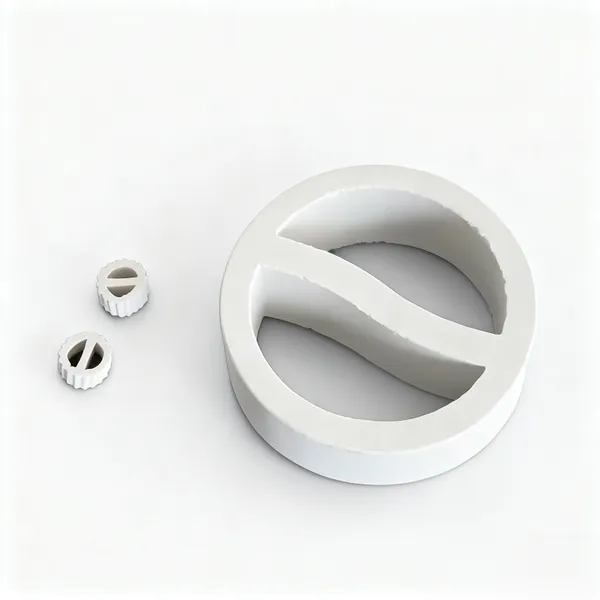
Pingxiang Daier Ceramic Cascade Mini Ring Random Tower Packing for Distillation Absorption Scrubbing ColumnsNegotiableMOQ: 1 Cubic Meter
-
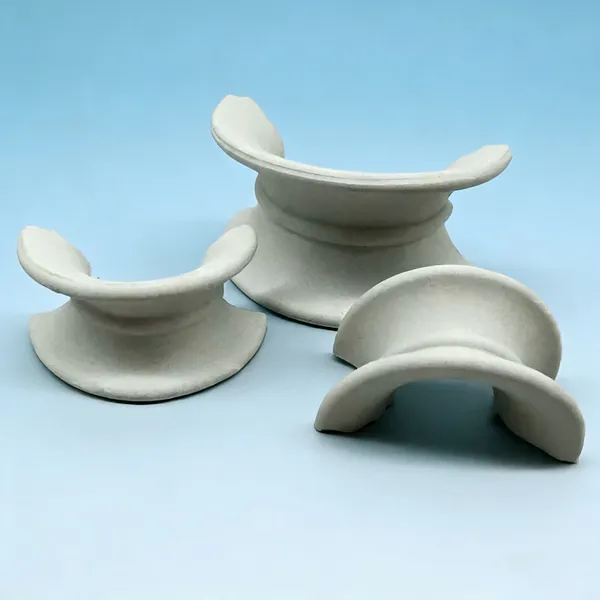
Pingxiang Daier Ceramic Intalox Saddle Ring Random Packing for Chemical Absorption Distillation Columns Mass Transfer Tower InternalsNegotiableMOQ: 1 Case
-
Pingxiang Daier Ceramic Pall Ring Random Tower Packing for Distillation Absorption Scrubbing Columns up to 1000°C Al₂O₃ 92-99%NegotiableMOQ: 1 Cubic Meter
-
Pingxiang Daier Ceramic Triple Y Ring Random Tower Packing – Acid Resistant Up to 1000°C for Chemical Absorption Scrubbing DistillationNegotiableMOQ: 1 Cubic Meter
-
Pingxiang Daier Ceramic Raschig Ring Tower Packing Acid Resistant 1200°C for Distillation Absorption Scrubbing ColumnsNegotiableMOQ: 1 Cubic Meter
-
Pingxiang Daier Ceramic Butterfly TY Ring Random Packing for Distillation Absorption Scrubbing Towers, Acid Resistant up to 1000°CNegotiableMOQ: 1 Cubic Meter
-
Pingxiang Daier Ceramic Cross Partition Ring 50mm 80mm 100mm 120mm 150mm Acid Resistant Tower Packing for Distillation Absorption and Support LayerNegotiableMOQ: 1 Cubic Meter